“I said one thing, and my team heard something else.”
The same words land differently on different voices. Once you know how each voice listens, you can say the same thing in a way each person actually hears.
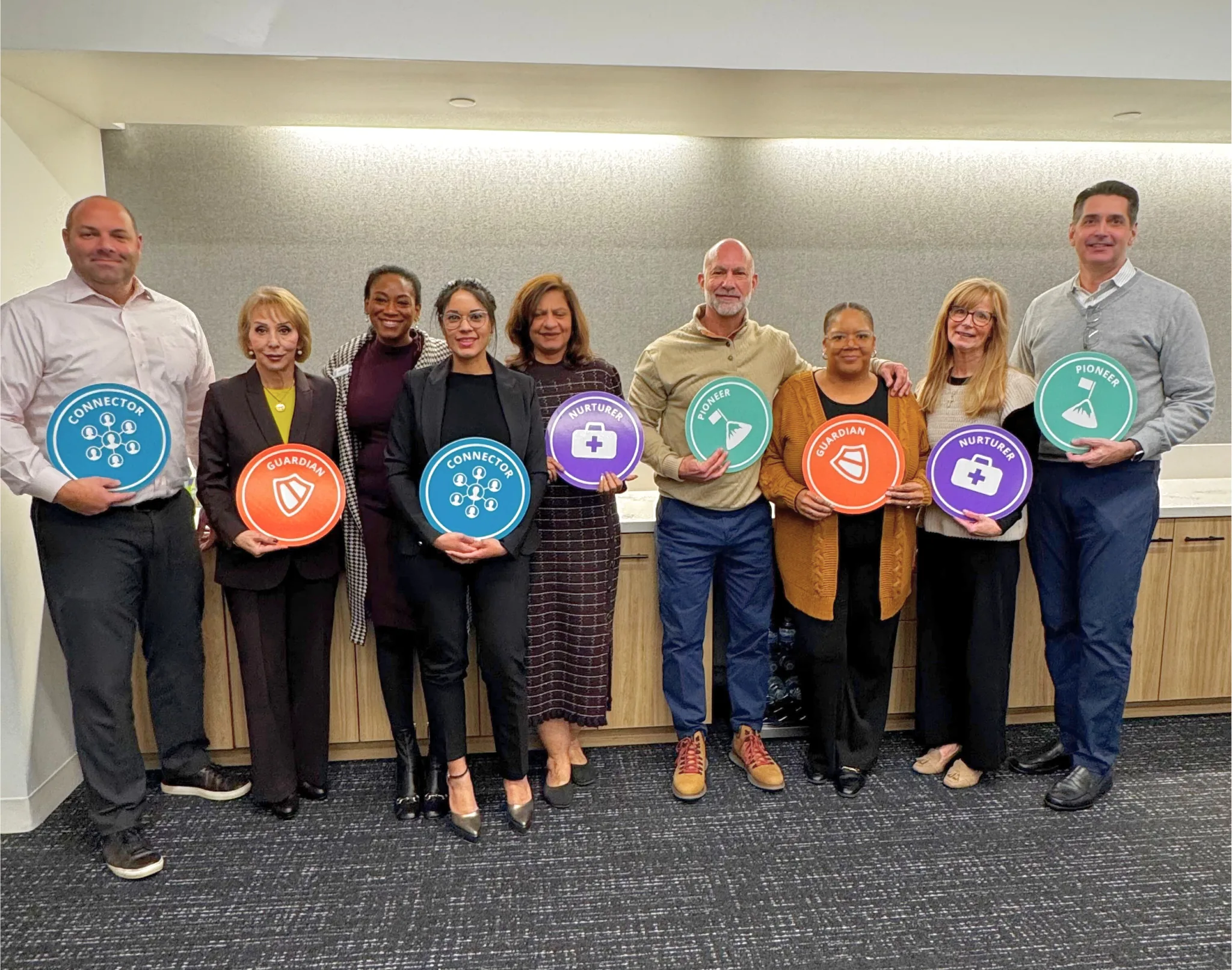
The 5 Voices System
Most team friction isn't about effort or skill. It's people with different strengths and communication styles misreading each other, until trust breaks down and progress stalls. 5 Voices gives you a shared language for how you lead, how others hear you, and how to work with people who see the world differently.
Free · 82 questions · 15 minutes · instant results
5 Voices is a leadership language that groups the 16 MBTI personality profiles into 5 shared motivation and communication styles: Nurturer, Creative, Guardian, Connector and Pioneer.
Leaders use it to understand their own strengths, blind spots and communication style, and to work well with people whose voices are different from theirs. Long Table uses 5 Voices as the starting point of its leadership development programs, workshops and retreats, and as the first step in the leadership flywheel, because how a team communicates shapes everything that follows.
Want to grow your 5 Voices fluency alongside other leaders? Join the 5 Voices Leader Academy: Atlanta Cohort, starting January 2027. Save your seat →Meet the voices
Every person leads with one of five foundational voices. Read the full profile for the one that sounds like you, then confirm it with the free assessment.

Champion of People
Champions people and harmony - 43% of us lead here.
Strength: Senses how a decision will land on people before anyone else does.
Watch for: Holding back something important until the moment to say it has passed.
Learn more about the Nurturer →
Champion of Innovation
Sees future possibilities and conceptual solutions.
Strength: Spots the flaw in a plan, and the opportunity nobody else has noticed yet.
Watch for: Sharing ideas before the room is ready, then watching them get set aside.
Learn more about the Creative →
Champion of Responsibility and Stewardship
Protects resources, truth and what already works.
Strength: Asks the uncomfortable question everyone else is avoiding.
Watch for: Holding back support for something new until it has a track record.
Learn more about the Guardian →
Champion of Relationships and Strategic Partnerships
Rallies people around ideas and relationships.
Strength: Makes things happen through people, and fast.
Watch for: Moving so quickly through the network that others can't see what made it work.
Learn more about the Connector →
Champion of Results and Progress
Drives vision forward - strategy, results, speed.
Strength: Moves toward results with speed and conviction.
Watch for: Leaving people behind before they've said so.
Learn more about the Pioneer →Don't know what your voice is? Take the free assessment to find out.
Take the free 5 Voices Assessment →Sound familiar?
These are the moments 5 Voices was built for: people with different voices misreading each other in meetings, in feedback and under pressure. Here's what that sounds like.
“I said one thing, and my team heard something else.”
The same words land differently on different voices. Once you know how each voice listens, you can say the same thing in a way each person actually hears.
“I asked the hard question, and got called a blocker.”
Guardians ask the question nobody wants asked, because they are protecting something real. When a team knows what its Guardians are protecting, the hard question becomes care for the outcome instead of opposition.
“Our meetings run long and still don't decide anything.”
When each voice argues for what it values most, meetings stall. Knowing the voices in the room shows you whose concern needs answering before the group can move.
“They're usually the warmest person on the team. Lately they've gone cold.”
A Nurturer can withdraw care from people they believe are hurting others, and turn distant and transactional. It often starts with feeling taken for granted, or unheard.
“It went from a disagreement to a blowup.”
Creatives and Connectors can use the raw power of their emotion and convictions to confront someone head on. Common triggers: values they hold dear being ignored, or a broken promise.
“The quietest person in the room knew the answer.”
The Nurturer is the most common voice, and the one most likely to go unheard. Teams that know their voices learn to notice who hasn't spoken, and to ask before the decision is made.
“We found out weeks later that nobody agreed with the decision.”
Fast-moving voices can mistake silence for agreement. Leaders who know the voices on their team ask for the concerns out loud, before the decision instead of weeks after it.
“My feedback keeps landing as criticism.”
How feedback lands depends on the voice hearing it. When you know the voice on the other side, you can frame feedback so it lands as support and gets acted on.
“Every new idea gets the third degree.”
A Guardian's hard questions can feel like an interrogation, and people stop suggesting anything bold. It often starts when they don't trust the decision maker, or their own questions aren't taken seriously.
“Nobody said it in the meeting, but everyone heard about it after.”
A Connector who feels slighted can avoid the conflict in the room and sow doubt outside it. It often starts when someone takes credit for their work, or they sense people aren't for them.
“My strengths are what frustrate people most.”
Every voice's greatest strength has a cost for the people around it. A Pioneer's speed gets results and can steamroll a conversation. Knowing your voice lets you keep the strength and soften the cost.
“My idea got dismissed, then someone else got credit for it.”
Creatives often see what's coming before the room is ready for it. Teams that know their Creatives make room for early ideas, and Creatives learn to bring them in a way the room can hear.
“I'm leading people who are nothing like me.”
Most leaders manage the way they'd want to be managed. Learning each person's voice shows you what they need to do their best work, which is often not what you would need.
“Decisions get made before anyone else can weigh in.”
A Pioneer's drive for action can run right over quieter voices, so not every perspective gets heard. Inefficiency and unnecessary delays are common triggers.
“They're great, until the pressure is on.”
Every voice can have a negative impact on others. Under moderate stress the shifts are subtle; under extreme stress they become disruptive. Knowing your voice lets you spot your own stress pattern early, and lets your team name it without blame.
“Two good people who can't work together.”
It's often not personality or effort but two voices misreading each other. Naming the pattern turns blame into a conversation, and that is where trust starts.
“I know I made it happen, but I can't explain how.”
Connectors get things done through people, and their part can be invisible, even to them. Once a team can name what each voice brings, the Connector's part gets seen and credited.
“Our team is busy, but not on the same page.”
It's hard to align when people can't hear each other. A shared language for how each person communicates is where getting on the same page starts.
“One comment, and the whole idea was dead.”
Creatives and Pioneers can turn sharp and cynical, taking apart an idea, an argument or a person in a sentence. It often starts when their own ideas seem to be dismissed.
“I didn't even know what set me off.”
Every voice has its own triggers, from feeling unheard to watching someone take an unnecessary risk. Knowing yours, and your team's, lets you catch the shift before it does damage.
Working through moments like these together is what Long Table's 5 Voices workshops, retreats and Leader Academy are for.
Most teams are missing relational trust
Your team and organization performance runs on five connected stages: Communication, Relationships, Alignment, Execution and Capacity. Most teams try to fix execution first. But when people don't understand how each other think and communicate, every later stage leaks.
5 Voices works directly on the first two stages. When you know your voice, and recognize the voices around you, you stop misreading each other. That builds relational trust, and trust is what gets the rest of the flywheel turning.
Tools like the Communication Code, the 5 Gears and the 100X Leader build on it at later stages.
See how the leadership flywheel worksWhy it works
Instead of people taking it the wrong way, communicate in a way each voice can actually hear.
Learn your voice and understand what it's like to be on the other side of your leadership.
Listen better and ask helpful questions, so quieter voices speak up and decisions come quicker.
Instead of mistaking a different voice for a bad attitude, recognize what each person is protecting or pushing for.
Discover the sweet spots of the people on your team, and delegate to them with confidence.
With clearer communication and stronger trust, alignment, execution and capacity stop fighting friction. That's how teams reach higher performance.
Overview
The 5 Voices System was created by world-renowned MBTI expert Steve Cockram and leadership expert Jeremie Kubicek. They saw that team communication drives the outcome of any work, yet most people don't know their own voice, or how to recognize and engage the voices around them.
Linnea Miller, Founder and CEO of Long Table, is a certified 5 Voices coach who has brought it to more than 100 organizations.
Explore the science behind 5 Voices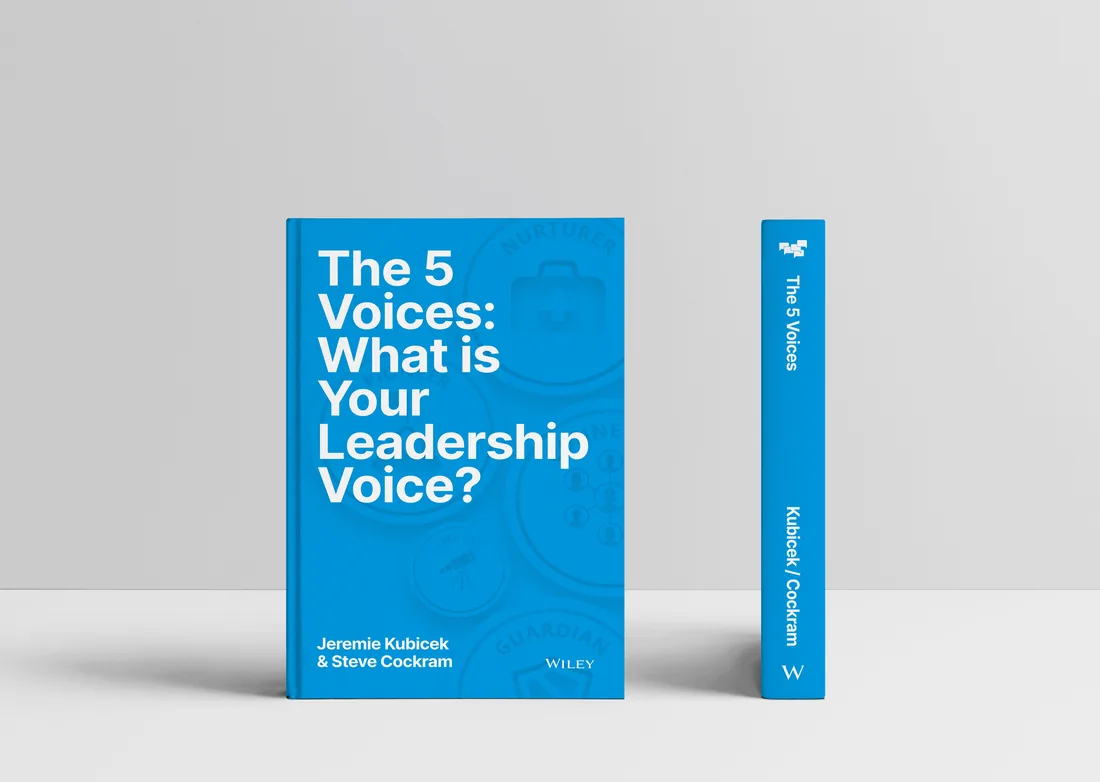
Leading companies are using 5 Voices in their organizations



Beyond the assessment
Most team friction isn't about effort or skill. It comes from people with different strengths and communication styles misreading each other: the Pioneer's speed lands as steamrolling, the Guardian's questions land as resistance, and the Nurturer goes quiet. Over time those misreads wear down trust. 5 Voices gives a team a shared language for how each person leads and communicates, so people hear each other accurately and build the relational trust that good work depends on.
5 Voices is where leadership development starts, not where it ends. It works on the first two stages of Long Table's leadership flywheel, communication and relationships, which build the trust that alignment, execution and capacity depend on. Tools like the Communication Code, the 5 Gears and the 100X Leader build on it. Long Table brings them together in the 5 Voices Leader Academy, team workshops and retreats.
Myers-Briggs describes personality preferences across 16 types, and DISC describes behavioral styles in four categories. 5 Voices groups the 16 Myers-Briggs types into five voices focused on how you lead and communicate, and on how the people around you experience it. Five voices are easy for a whole team to remember and use in everyday conversation, which makes 5 Voices a shared language rather than a report you read once. Linnea is also an MBTI Certified Practitioner, so teams that already know their Myers-Briggs type can connect the two.