The LIFT 2027 cohort for nonprofit leaders is forming.
Express your interest →The 6 Types of Working Genius: the work that gives people energy
The fastest way we know to help a team understand why some work feels effortless and some feels exhausting - and to stop accidentally assigning people the work that drains them.
What is Working Genius?
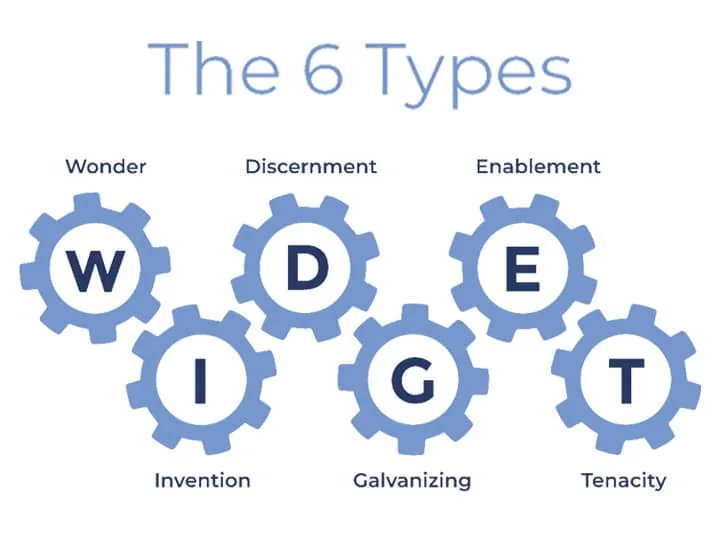
Working Genius is a model from Patrick Lencioni and The Table Group. Unlike personality assessments that describe who you are, it identifies which kinds of work give you energy and which drain you - even work you are good at. The six types spell WIDGET. Linnea Miller of Long Table is a Certified Working Genius Facilitator in metro Atlanta.
The framework
The six types spell WIDGET
Everyone has two geniuses that energize them, two competencies they can do, and two frustrations that wear them down. Teams fail more often on missing types than on effort.
{{ it.title }}
{{ it.body }}
How it works
Every project moves through three stages
Each stage draws on two of the six geniuses. When a team is missing one, work reliably stalls at the same place every time.
{{ st.name }}
{{ st.pair }}
{{ st.body }}
Your results come back in three groups
Everyone has two of each. The last group is the one people misread most.
{{ g.name }}
{{ g.body }}
Your frustrations are not weaknesses to fix. They are a signal about where you should not be spending most of your time - and where your team needs someone else's genius instead.
Why it matters for teams
An individual result is interesting. A team map is where it earns its keep.
When a team lines everyone's geniuses up side by side, the patterns show up fast - and they usually explain something the team has been blaming on effort or attitude.
{{ gp.title }}
{{ gp.body }}
That gap is exactly what a facilitated session is built to surface - and why we treat Working Genius as one tool inside a broader piece of team and leadership work rather than a one-off assessment.
In practice
How Long Table uses Working Genius
Where this framework comes from
The 6 Types of Working Genius is a product of Patrick Lencioni and The Table Group - the same team behind The Five Dysfunctions of a Team. Long Table did not create it, and The Table Group’s own materials are the best place to learn the model itself. What we add is certified facilitation for teams here in metro Atlanta, and the follow-through afterwards.
Quick Facts about Working Genius
- {{ f.k }}
- {{ f.v }}